

Agenda
1 December, 08:30 – 09:30 (WIB/Jakarta Time)
Opening Ceremony

Matius Ho
Welcome Remarks
Sambutan Pembuka

Formal Greetings
Sambutan Resmi

Brett Scharffs
Formal Greetings
Sambutan Resmi

Moch. Taufiqurrahman
Opening Prayer
Doa Pembuka

Abdul Mu’ti
Keynote Address
Ceramah Kunci
1 December, 09:30 – 10:00 (WIB/Jakarta Time)
Break / Istirahat
1 December, 10:00 – 11:30 (WIB/Jakarta Time)
Panel 1
Educating for our shared humanity: Cultivating multifaith multicultural collaboration

Fajar Riza Ul Haq
Panel Keynote
Pembicara Kunci Panel

Amin Abdullah
Speaker
Narasumber
Nunuk Suryani
Speaker
Narasumber

W. Cole Durham
Speaker
Narasumber
Zekirija Sejdini
Speaker
Narasumber

Ali Rashed Al Nuaimi
Speaker
Narasumber
Inayah Rohmaniyah
Moderator
Focusing on bridging divides and strengthening our shared humanity, this panel explores how fostering safe, inclusive, and dignified spaces for dialogue can become the foundation for genuine multifaith and multicultural collaboration.
Berfokus pada upaya menjembatani perbedaan dan memperkuat kemanusiaan bersama, panel ini mengeksplorasi bagaimana ruang dialog yang aman, inklusif, dan bermartabat dapat menjadi landasan bagi kolaborasi lintas agama dan budaya yang sejati.
1 December, 11:30 – 13:00 (WIB/Jakarta Time)
Lunch / Makan Siang
1 December, 13:00 – 14:30 (WIB/Jakarta Time)
Panel 2
Upholding Human Dignity through Responsible Global Citizenship

Edward Omar Sharif Hiariej
Panel Keynote
Pembicara Kunci Panel
Brett Scharffs
Speaker
Narasumber

Alwi Shihab
Speaker
Narasumber
Speaker
Narasumber
Wisnu Nugroho Dewanto
Speaker
Narasumber
Speaker
Narasumber

Yayah Khisbiyah
Moderator
Focusing on our shared responsibility in global citizenship, this panel explores—in principles and practices—how an understanding of our common humanity can lead to collaborations that uphold human dignity across diverse cultural and religious contexts.
Berfokus pada tanggung jawab bersama dalam kewargaan global, panel ini mengeksplorasi, baik dari segi prinsip maupun praktik, bagaimana pemahaman tentang kemanusiaan yang kita miliki bersama dapat mendorong kolaborasi yang menjunjung tinggi martabat manusia dalam beragam konteks budaya dan agama.
1 December, 14:30 – 15:00 (WIB/Jakarta Time)
Break / Istirahat
1 December, 15:00 – 16:45 (WIB/Jakarta Time)
Panel 3
Shared Humanity, Diverse Stories: Implementation of Cross-Cultural Religious Literacy
Matius Ho
Speaker
Narasumber

Petrosina Waremra
Speaker
Narasumber
Muhajirah Idman
Speaker
Narasumber

Muhammad Thohir
Speaker
Narasumber
Chris Seiple
Speaker
Narasumber
Puansari Siregar
Moderator
Focusing on practitioner-led perspectives. This panel examines how educators navigate complexities in applying cross-cultural religious literacy, offering insights into how theory is transformed into meaningful learning experiences and real-world application — highlighting its potential as a replicable model across diverse societal contexts.
Berfokus pada perspektif para praktisi, panel ini mengkaji bagaimana para pendidik menghadapi kompleksitas dalam menerapkan literasi keagamaan lintas budaya. Panel ini juga menggali wawasan tentang bagaimana teori diterjemahkan menjadi pengalaman pembelajaran yang bermakna dan penerapan nyata, sekaligus menyoroti potensinya sebagai model yang dapat direplikasi dalam berbagai konteks masyarakat.
1 December, 16:45 – 18:00 (WIB/Jakarta Time)
Break / Istirahat
1 December, 18:15 – 21:00 (WIB/Jakarta Time)
Dinner Reception

Arrmanatha C. Nasir
Ministerial Remarks
Sambutan Menteri
Miguel Ángel Moratinos
Special Remarks
Sambutan Khusus
Special Remarks
Sambutan Khusus
Matius Ho
Special Remarks
Sambutan Khusus
Special Performance
Teachers from Maluku
2 December, 08:30 – 09:00 (WIB/Jakarta Time)
Opening Day 2
Special Performance
Madrasah Istiqlal Jakarta

Nasaruddin Umar
Keynote Address
Ceramah Kunci
2 December, 09:00 – 10:15 (WIB/Jakarta Time)
Panel 4
Strengthening Cohesive and Inclusive Southeast Asian Community through Cross-Cultural Religious Literacy
Speaker
Narasumber
Speaker
Narasumber
Speaker
Narasumber

Adam Hamzah
Speaker
Narasumber
Manuel Ximenes Smith
Speaker
Narasumber
Abdulcader M. Ayo
Speaker
Narasumber

Yuyun Wahyuningrum
Moderator
This panel explores how cross-cultural religious literacy may serve as an instrument for global citizenship, bringing perspectives on CCRL implementation and contextualization, fostering interfaith understanding, strengthening shared values, and promoting cohesive and inclusive societies in Southeast Asia.
Panel ini mengeksplorasi bagaimana literasi keagamaan lintas budaya dapat menjadi instrumen untuk mewujudkan kewargaan global. Pembahasan mencakup perspektif mengenai implementasi dan kontekstualisasi LKLB, penguatan pemahaman lintas agama, penguatan nilai-nilai bersama, serta upaya mendorong masyarakat yang kohesif dan inklusif di Asia Tenggara.
2 December, 10:15 – 10:45 (WIB/Jakarta Time)
Break / Istirahat
2 December, 10:45 – 12:15 (WIB/Jakarta Time)
Breakout Session A
2 December, 12:15 – 13:10 (WIB/Jakarta Time)
Lunch / Makan Siang
2 December, 13:10 – 14:40 (WIB/Jakarta Time)
Breakout Session B
2 December, 14:40 – 15:00 (WIB/Jakarta Time)
Break / Istirahat
2 December, 15:00 – 15:15 (WIB/Jakarta Time)
Fadli Zon
Keynote Address
Ceramah Kunci
2 December, 15:15 – 16:30 (WIB/Jakarta Time)
Panel 5
Government & Civil Society in Multi-Faith Collaboration in Strengthening Global Citizenship
Speaker
Narasumber

La Viseis
Speaker
Narasumber
Hendrik Lewerissa
Speaker
Narasumber
Angela Herliani Tanoesoedibjo
Speaker
Narasumber
Zaenal Mustakim
Speaker
Narasumber
Lukman Thahir
Speaker
Narasumber

Budi Hartono Setiamarga
Moderator
Civil society plays an indispensable role in cultivating collaboration across multi-faith and multicultural communities. This panel explores how cross-cultural religious literacy – embedded in grassroots and faith-based initiatives – can drive sustainable multi-faith collaboration, fostering social trust, in an increasingly polarized world.
Masyarakat sipil memiliki peran yang sangat penting dalam menumbuhkan kolaborasi di antara komunitas lintas agama dan budaya. Panel ini mengeksplorasi bagaimana literasi keagamaan lintas budaya, yang diintegrasikan ke dalam berbagai inisiatif akar rumput dan berbasis keagamaan, dapat mendorong kolaborasi lintas agama yang berkelanjutan serta menumbuhkan kepercayaan sosial di tengah dunia yang semakin terpolarisasi.
2 December, 16:30 – 17:00 (WIB/Jakarta Time)
Closing Session / sesi penutup

Atip Latipulhayat
Closing Remarks
Sambutan Penutup

Partono Nyanasuryanadi Mahathera
Closing Prayer
Doa Penutup
Breakout Sessions
Breakout Sessions A (10:45 – 12:15 WIB/Jakarta time)
1. Fostering a Safe and Comfortable School Culture through Cross-Cultural Religious Literacy

Rusprita Putri Utami
Speaker
Narasumber
Sarlota Singerin
Speaker
Narasumber
Firmanza DP
Speaker
Narasumber
Moderator
This panel will explore how can Cross-Cultural Religious Literacy (CCRL) help schools become safe, welcoming, and inclusive spaces for every student? This session explores the role of CCRL in fostering empathy, mutual respect, and an understanding of religious and cultural diversity. Drawing on both policy perspectives and educational practices, the session highlights how schools can become shared spaces that foster positive relationships and build social trust from an early age.
2. CCRL for Peacebuilding and Shared Humanity

Jin Fujimoto
Speaker
Narasumber
Acram A. Latiph
Speaker
Narasumber
Saepudin Mashuri
Speaker
Narasumber
Moderator
How can diversity become a strength for building peace? This session explores how Cross-Cultural Religious Literacy (CCRL) can strengthen peacebuilding efforts by helping communities understand differences, foster dialogue, and restore trust. The discussion will examine how education can translate an understanding of diversity into collaboration and collective action, while strengthening the capacity of individuals and communities to prevent conflict, build social cohesion, sustain peace, and advance our shared humanity.
3. Strengthening the Rule of Law and Human Dignity for our Shared Humanity

Hannah C. Smith
Speaker
Narasumber
Sajid Christopher
Speaker
Narasumber
Speaker
Narasumber
Moderator
How can the rule of law serve as a foundation for restoring trust and upholding human dignity amid diversity? This session explores how Cross-Cultural Religious Literacy (CCRL), as a socio-cultural approach, can strengthen understanding of the rule of law, equality, and respect for human dignity. By fostering the ability to understand differences, engage in dialogue, and interact constructively, CCRL can bridge legal principles with the realities of diverse societies and promote a more just, inclusive, and trusting shared life.
4. Intercultural and Interreligious Dialogue in International Relations

Ani Nigeriawati
Speaker
Narasumber

Alexander Rieger
Speaker
Narasumber
Muhammad Adib Abdushomad
Speaker
Narasumber
Moderator
How can interfaith dialogue and multi-faith collaboration become part of diplomatic practice for building peace? This session explores the role of Cross-Cultural Religious Literacy (CCRL) in strengthening diplomacy through a deeper understanding of diversity, interfaith dialogue, and collaboration. The discussion will examine how this approach can foster mutual understanding, prevent conflict, and strengthen relationships across communities, while translating commitments to peace and tolerance into practices that promote global citizenship and sustainable peace.
5. Creating Harmony in Diversity: Religious Literacy for a Cohesive Society
Yoshinori Shinohara
Speaker
Narasumber

Hasbollah Toisuta
Speaker
Narasumber
Leong Chan-Hoong
Speaker
Narasumber
Moderator
Asia is widely considered one of the most culturally and religiously diverse continents on earth, where all major world religions originated. Therefore, creating harmony in diversity has always been a continuous pursuit and challenge, going back thousands of years ago. Local and regional experiences in interreligious collaborations to promote social cohesion and inclusivity can provide new insights on how to address the global increase in xenophobia. This session will explore how such religious literacy can create spaces for meaningful encounters that build trust, strengthen relationships, and foster a sense of belonging between people of different religious—and non-religious—backgrounds in a diverse society.
Breakout Sessions B (13:10 – 14:40 WIB/Jakarta time)
1. Cross-Cultural Religious Literacy and Interfaith Collaboration for Religious Diplomacy

Farid F. Saenong
Speaker
Narasumber
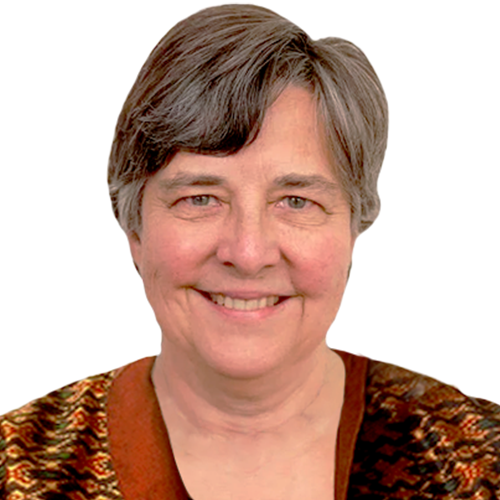
Katherine Marshall
Speaker
Narasumber
Speaker
Narasumber
Moderator
How can religious diplomacy move beyond dialogue toward collaboration and collective action? This session explores how Cross-Cultural Religious Literacy (CCRL) can strengthen religious diplomacy by helping individuals and communities understand and appreciate religious and cultural differences. Moving beyond dialogue, CCRL fosters more meaningful relationships, interfaith collaboration, and collective action to address shared social challenges. Indonesia’s experience will provide valuable lessons on building trust, preventing conflict, and strengthening peace.
2. Navigating Digital Era & Polarisation: CCRL as an Approach to Build Social Trust
Maila Dinia Husni Rahiem
Speaker
Narasumber
Thomhert Suprapto Siadari
Speaker
Narasumber

Ismunandar
Speaker
Narasumber
Moderator
How can we build trust in an increasingly polarized digital world? This session explores how Cross-Cultural Religious Literacy (CCRL) can help communities navigate misinformation, polarization, and deepening divisions in digital spaces. Through critical thinking, an understanding of diversity, and constructive dialogue, CCRL can foster healthier and more collaborative interactions. The discussion will examine how this approach can strengthen social trust and contribute to digital spaces that are more inclusive, peaceful, and responsible.
3. CCRL and Socio-Cultural Competencies in Cultivating Social Trust in an Interconnected Society

Mutia Farida
Speaker
Narasumber
Deny Junanto
Speaker
Narasumber
Bui Hong Thanh
Speaker
Narasumber
Moderator
How can government officials serve as bridges that connect communities amid diversity? This session explores how Cross-Cultural Religious Literacy (CCRL) and socio-cultural competencies can equip public officials to understand differences, build positive communication, and respond constructively to diversity. Grounded in the values of Pancasila, the discussion will examine how these competencies can support more inclusive governance, strengthen relationships between government and communities, and build social trust in an increasingly diverse and interconnected society.
4. Nurturing Local Wisdom through Cross-Cultural Religious Literacy
Sjamsul Hadi
Speaker
Narasumber

Abidin Wakano
Speaker
Narasumber
San Pisith
Speaker
Narasumber
Moderator
How can local wisdom become a source of strength for nurturing diversity and building social trust? This session explores how the values, traditions, and shared experiences of communities can enrich Cross-Cultural Religious Literacy (CCRL). By recognizing local wisdom as a source of learning, communities can discover shared values that connect different groups, open spaces for dialogue, and strengthen mutual respect. The discussion will examine how CCRL and local wisdom can work together as bridges to strengthen social cohesion and foster harmonious shared life.
5. Fostering an Inclusive and Cooperative Character in a Diverse World

Arif Jamali Muis
Speaker
Narasumber
Angelina Low Poh Sim
Speaker
Narasumber
Partononyana Suryanadi Mahathera
Speaker
Narasumber
Moderator
How can we shape character that embraces differences, takes responsibility, and enables us to live together in diversity? This session explores how Cross-Cultural Religious Literacy (CCRL) can strengthen character education through self-reflection, critical thinking, empathy, integrity, and respect for differences. By developing a deeper understanding of religious and cultural diversity, education can help individuals engage positively with others, make responsible choices, and see differences not as barriers, but as opportunities to learn, grow, and contribute to a more inclusive society.
Gallery

Supporting
Press
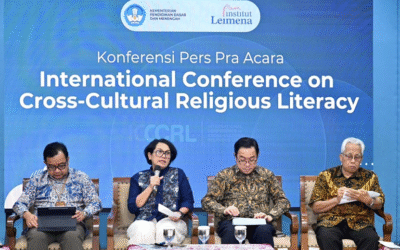
The Indonesian Ministry of Primary and Secondary Education and the Leimena Institute Promote Inclusive Education through the International Conference on Cross-Cultural Religious Literacy
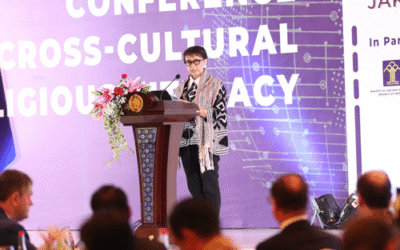
Cross-Cultural Religious Literacy, an Effort to Understand Religious Diversity for Peace
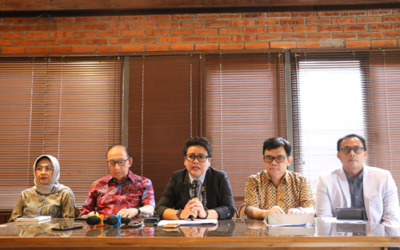
Leimena Institute and the Ministry of Foreign Affairs Hold International Conference to Strengthen Multi-faith Collaboration
Background
Today’s world is marked by an unprecedented level of global interconnectedness. People of different cultures, religions, and worldviews interact more frequently than ever before, for example through migration, technology, education, and international cooperation. Yet alongside these opportunities for engagement, societies across the globe are experiencing rising polarization, political divisions, and increasing suspicion toward those perceived as different. Indeed, recent global assessments warn that societal polarization and declining trust are becoming defining challenges of our time[1].
Religious and cultural differences often lie at the heart of these tensions. In many contexts, religion and cultural identity are often misunderstood, oversimplified, or politicized, which can turn diversity into a source of division rather than a valuable social resource. Narratives that frame religious and cultural differences as threats can deepen mistrust and further divide communities. These dynamics extend beyond political discourse, shaping interactions within communities and influencing how new generations perceive people who hold different beliefs, traditions, and worldviews.
Show More
In this context, education plays a vital part in shaping how individuals understand and engage with diversity. More importantly, schools play a central role in cultivating a safe and supportive school culture where students feel respected, valued, and included regardless of their cultural, religious, or social backgrounds. Teachers therefore hold a particularly unique position. As educators and mentors, they help guide students in developing empathy, critical thinking, and the capacity to engage constructively with those who hold different beliefs and worldviews. Such environments create the conditions necessary for meaningful dialogue, mutual understanding, and positive relationships among diverse communities within schools. Strengthening educators’ capacity to address cultural and religious diversity in thoughtful and responsible ways is therefore an essential step in preparing younger generations to live and collaborate in an increasingly polarized world.
The Cross-Cultural Religious Literacy (CCRL) program began in Indonesia as a teacher-training initiative to equip educators to address cultural and religious diversity in their classrooms and to strengthen safe, inclusive, and supportive learning environments. Since late 2021, the program has trained more than 11,000 teachers across the country in partnership with more than 40 religious and educational institutions, as well as the Indonesian government. Through this program, teachers are equipped with the competencies to recognize and respond constructively to differences, while also identifying opportunities for peaceful collaboration across cultural and religious boundaries. In doing so, CCRL seeks to help educators guide students toward a deeper understanding of diversity and contribute to broader efforts to respond to the growing global challenges of polarization, intolerance, and social division.
The growing relevance of cross-cultural religious literacy is also reflected at the regional level in Southeast Asia. Within the framework of ASEAN Vision 2045, CCRL has been recognized as an important approach for strengthening cooperation and social cohesion.
The ASEAN Political-Security Community Strategic Plan 2045 highlights the importance of “conducting a series of cross-cultural religious literacy programmes” (SM.9.7) to advance the goal of an inclusive and cohesive ASEAN community. Building on this, the ASEAN Socio-Cultural Community Strategic Plan 2045 further specifies that CCRL can “enhance cooperation and dialogue to strengthen the culture of tolerance and moderation, promote cultural pluralisms and responsible citizenship” (SM.1.2.6), and help “foster a culture of respect for all, unity in diversity, and a common identity” (SM.9.1.7).
This conference explores how fostering safe, inclusive, and dignified spaces for dialogue cultivates collaboration rooted in our shared humanity — bridging divides and strengthening social cohesion in an increasingly polarized world. It examines how affirming our shared humanity drives collaborative practices in global citizenship to uphold human dignity across diverse cultural and religious contexts.
This conference examines how cross-cultural religious literacy moves from theory to real-world application — exploring its potential as a replicable model for global citizenship, drawing on practitioner-led perspectives from educators who navigate its complexities across diverse cultural and religious landscapes.
This conference will also discuss the indispensable role of civil society in cultivating collaboration across multi-faith and multicultural landscapes, how faith-based initiatives can drive sustainable multi-faith collaboration and foster social trust in a world of deepening polarization.
[1] World Economic Forum, Global Risks Report 2025 (Geneva: World Economic Forum, 2025) https://www.weforum.org/reports/global-risks-report-2025/